Rover, Wag, and the Question of Who Is Actually Responsible When a Dog Walker’s Charge Bites Someone
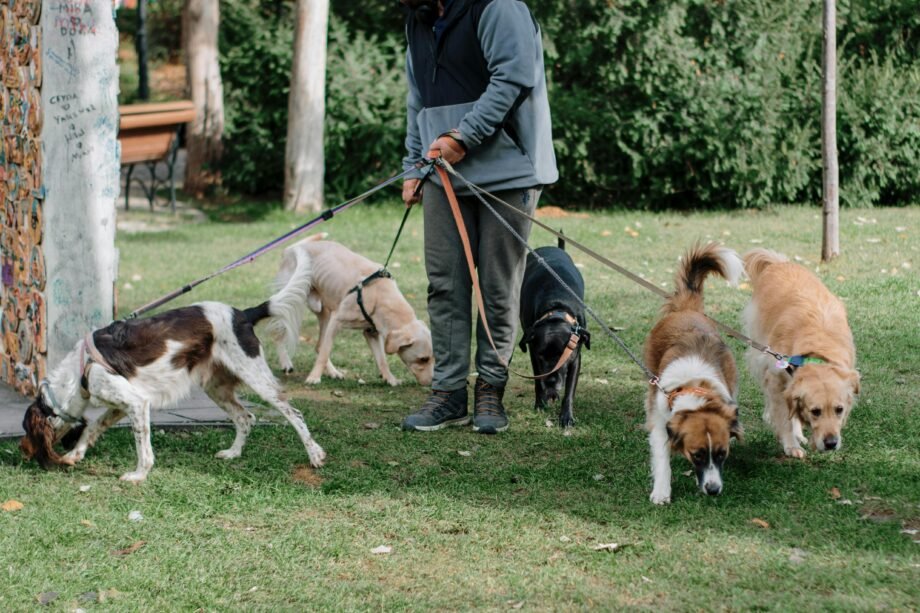
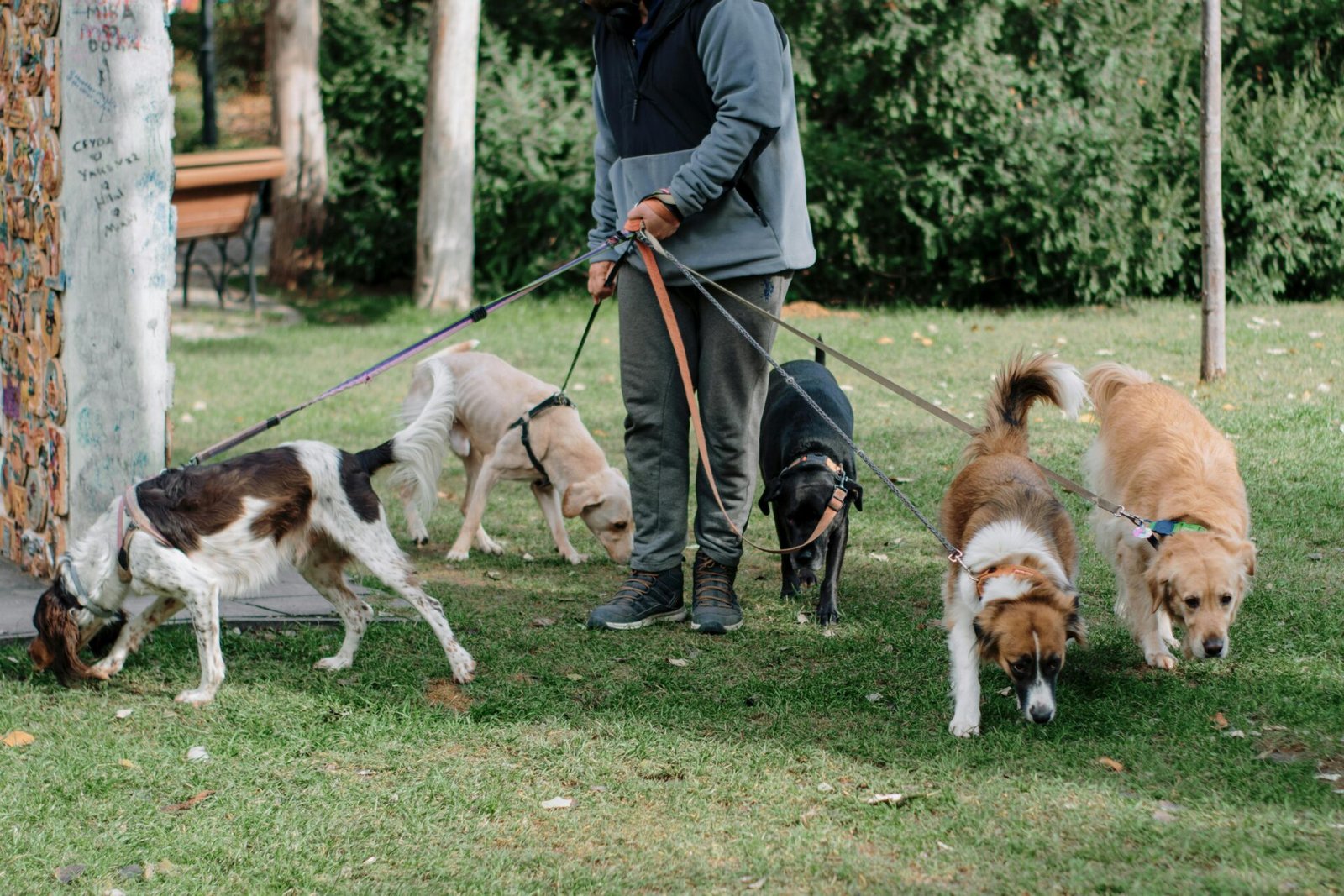
App-based dog walking services are a fixture of urban Seattle life. Rover and Wag have reshaped how pet owners manage their dogs’ daily care, creating a gig economy layer between dogs and the people interacting with them on sidewalks, in parks, and on neighborhood trails.
When one of those dogs bites someone, the question of who is legally responsible — and whose insurance pays — becomes immediately complicated. Many people assume that because a walker was holding the leash, the walker bears the responsibility. Washington law answers that question differently. And the insurance landscape surrounding gig-economy dog walking creates real complications for anyone trying to secure full compensation.
The Owner’s Liability Does Not Transfer with the Leash
Washington’s strict liability statute — RCW 16.08.040 — places liability on the dog’s owner. Not the handler. Not the walker. Not the platform that connected them.
When a dog owner books a walk through Rover or Wag and hands their dog off to a contractor for the afternoon, their statutory liability for a bite goes with the dog. Washington law does not allow an owner to transfer or escape strict liability by temporarily delegating care of the animal. The owner is still the owner, and the owner is still strictly liable for any bite that occurs during the walk — in a public space, on a neighbor’s porch, or anywhere else the walker takes the animal.
This is consequential for injured parties. It means the dog’s true owner and their homeowners or renters insurance remains the primary target for recovery, regardless of the walker’s involvement.
It is also a common mistake in these cases: suing only the walker and failing to name the actual owner can significantly limit recovery, because the walker may have no meaningful insurance coverage and limited personal assets.
The Dog Walker’s Separate Negligence Exposure
While the strict liability claim runs against the owner, the walker may face a separate negligence claim if their conduct contributed to the bite.
Negligence requires proving the walker failed to exercise the ordinary care expected of a professional dog handler. Specific situations where a negligence claim against a walker gains traction include:
- Using a leash or harness that was inadequate for the dog’s size or temperament
- Allowing the dog to approach or interact with strangers contrary to the owner’s explicit instructions
- Taking the dog to a location or environment — off-leash parks, crowded events — that was inappropriate given the dog’s known behavior
- Ignoring clear warning signs of escalating stress or aggression before the bite
- Violating a leash ordinance that contributed to the attack (this may also give rise to negligence per se)
The strength of a negligence claim against a walker depends on specific facts. A careful, experienced walker who used appropriate equipment and followed all reasonable protocols has a strong defense. A walker who showed poor judgment in a situation where the outcome was foreseeable has a weaker one.
The Platform Insurance Problem
This is where gig-economy dog walking cases become genuinely complicated.
Both Rover and Wag carry large corporate insurance policies with significant stated limits. On paper, this sounds reassuring. In practice, these policies are structured in ways that make recovery through them difficult.
The independent contractor problem: Both platforms classify their walkers as independent contractors rather than employees. This classification is not incidental — it is the foundation of the platforms’ legal argument that they are not responsible for what happens during a walk. They describe themselves as a marketplace connecting owners with contractors, not as a dog walking company with employee liability.
Using this classification, corporate legal teams routinely deny primary liability for third-party injuries, arguing that the contractor — not the platform — was responsible for the dog’s management during the walk.
What coverage actually exists: Some platforms offer supplemental injury or liability coverage that may apply to walker-related incidents. The extent of that coverage, its exclusions, and whether it applies in a specific factual scenario requires careful review of the actual policy terms — which are not always publicly available in their full detail.
The practical consequence: Injured parties pursuing recovery through a Rover or Wag corporate insurance policy often find themselves in a complex dispute with corporate legal representation asserting independent contractor defenses, coverage limitations, and definitions of what the platform’s policy was actually designed to cover.
Building the Right Recovery Strategy
In gig-economy dog bite cases, the recovery strategy typically involves pursuing multiple parties simultaneously rather than concentrating entirely on one.
Against the owner: A strict liability claim under RCW 16.08.040, pursued through the owner’s homeowners or renters insurance. This is the cleanest path and typically the most direct.
Against the walker: A negligence claim based on the specific conduct of the handler — if the facts support it. This requires documentation of what the walker did or failed to do, which makes gathering evidence quickly after the incident especially important.
Against the platform: A claim against Rover or Wag’s corporate coverage, with the understanding that this will likely involve significant legal resistance based on the independent contractor classification. This avenue is worth pursuing in cases involving serious injury, but it should be approached with realistic expectations about what that litigation looks like.
What to Do After Being Bitten by a Walker’s Dog
Identify the true owner. The walker knows who owns the dog. Get that information at the scene if possible. If the walker is uncooperative or leaves, the booking information exists within the platform’s records and can be obtained through litigation.
Document the walker’s conduct. What leash were they using? Were they on their phone? Did they lose control before the bite, or was it truly sudden? Were there other animals they were simultaneously managing? These details matter for the negligence analysis.
Report to animal control. Seattle Animal Shelter and King County Animal Care and Control both accept bite reports. This creates an official record and may surface prior incidents involving the same dog.
Seek medical treatment. Document all injuries through medical records and photographs.
Do not accept early contact from a platform insurance representative without legal counsel. If Rover or Wag’s insurer contacts you quickly after a serious bite, they may be attempting to resolve the claim before its full value is understood.
A Note on Gig Workers Who Are Bitten
If you are a Rover or Wag walker and you were bitten by a dog in your care, your situation is different. Washington’s strict liability statute still applies to the dog’s owner — but the “assumption of risk” defense becomes more relevant in your case because you were being paid to handle the animal.
Overcoming that defense typically requires showing the owner failed to disclose known dangerous behavior. If an owner withheld information about a bite history, lied about the dog’s temperament, or provided defective equipment, their active negligence compounds the strict liability claim and significantly weakens the assumption-of-risk argument.
At the Law Office of J.D. Smith, we handle gig-economy dog bite cases for both injured third parties and workers. If you were bitten in connection with a Rover or Wag booking, we can walk through the specific facts and explain your options.
Frequently Asked Questions
If a Rover walker was holding the leash, can I sue the owner?
Yes. Under Washington’s strict liability statute, the true owner remains liable for a bite regardless of who was holding the leash. Suing only the walker while missing the owner is one of the most common errors in these cases.
Does Rover’s insurance cover me if I was bitten by a dog during a walk?
Rover and Wag carry corporate coverage, but their policies are structured around independent contractor classifications that are frequently used to deny primary liability. The platform’s coverage is worth pursuing, but the owner’s personal homeowners or renters insurance is typically the more direct recovery path.
What if the dog walker ran away after the bite?
The walker’s identity and the dog’s owner information exist within the platform’s booking records. This information is accessible through legal process if not voluntarily provided.
Can I sue both the owner and the walker?
Yes. A strict liability claim against the owner and a negligence claim against the walker can be pursued simultaneously.
What if I was the walker and got bitten?
The owner’s strict liability still applies, but expect the defense to raise an assumption-of-risk argument. The key counterargument is whether the owner disclosed everything they knew — or should have known — about the dog’s behavior before you took the booking.