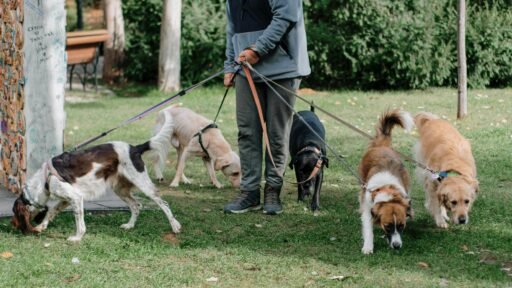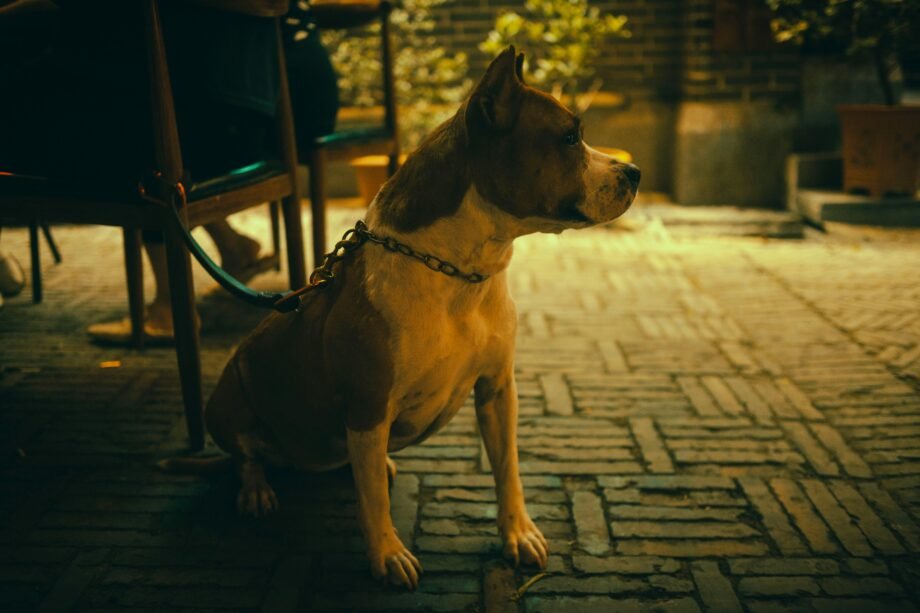
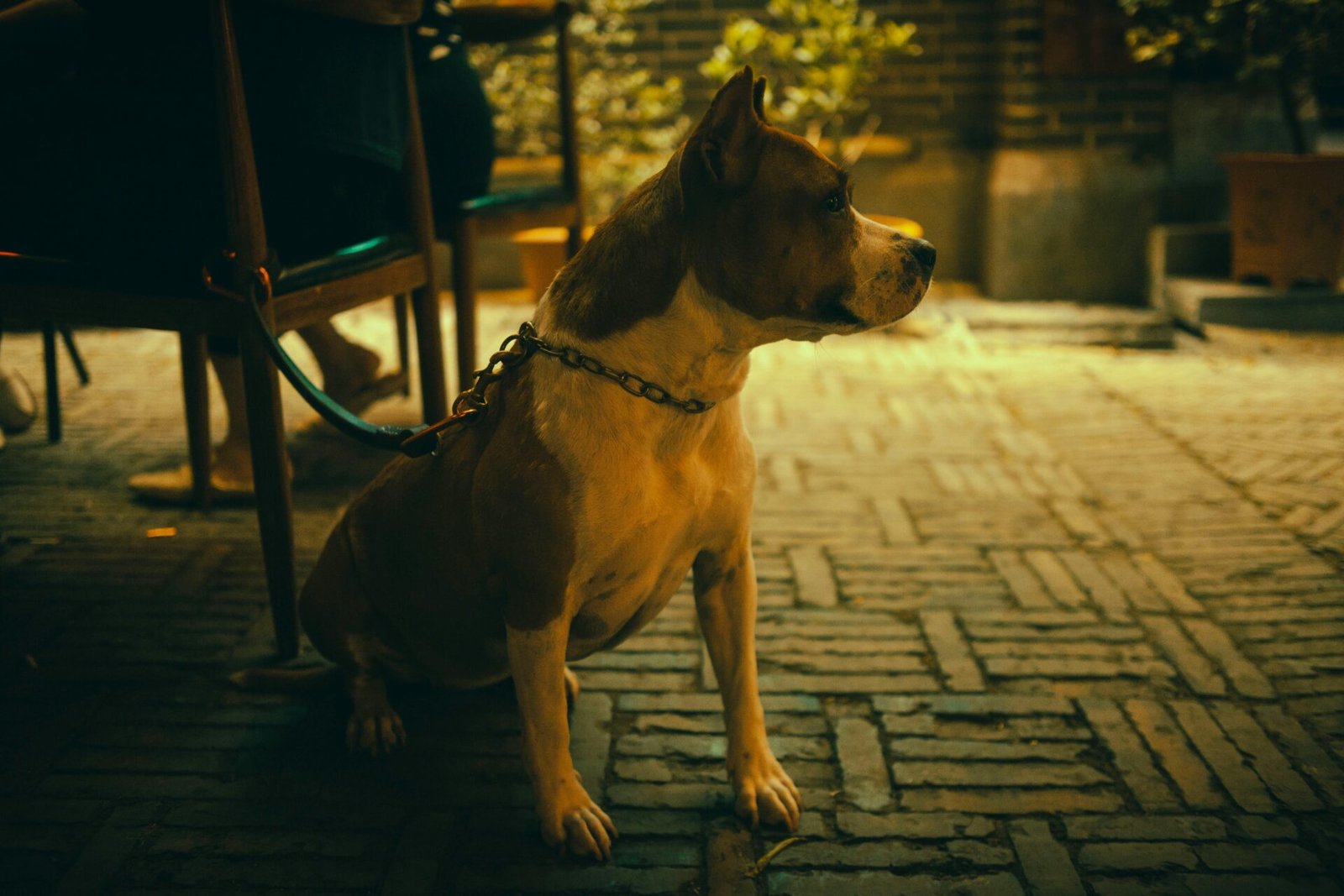
Seattle has one of the highest concentrations of dog-friendly businesses in the country. Ballard taprooms, Capitol Hill coffee shops, South Lake Union tech campuses, and neighborhood patios across the city routinely invite dogs inside as part of the culture. Most of the time this is a pleasant social amenity. Occasionally it results in a dog bite.
When it does, the legal question becomes more complicated than a typical bite scenario. There are potentially two parties liable — the dog’s owner and the business — and two separate insurance policies that may be in play. Understanding which is which, and how to approach both, matters significantly for injured customers, employees, and bystanders.
The Dog Owner’s Liability Comes First
Regardless of where a bite occurs, Washington’s strict liability statute — RCW 16.08.040 — applies to the dog’s owner. If you were bitten at a brewery, the owner of the dog is strictly liable for your damages. The commercial setting does not change that analysis.
In a business where patrons are openly invited, you had every right to be there. That establishes the lawful presence requirement under RCW 16.08.050, which means the strict liability framework applies fully. The dog owner cannot argue you assumed the risk of being bitten simply by entering a dog-friendly establishment.
The owner’s homeowners or renters insurance is typically the primary source of recovery in these cases. Seattle’s dense urban population, with a high proportion of renters, means many dog owners in Ballard, Capitol Hill, and the Central District carry renters policies rather than homeowners coverage. Limits on those policies vary, and some include animal liability sub-limits that cap recovery below what a serious injury requires.
The Business Owns Its Own Exposure
Beyond the dog owner’s liability, the venue itself may face a separate claim under premises liability law.
A business that actively promotes itself as dog-friendly — that hangs “Dogs Welcome” signs, sets out water bowls, designates dog zones, or explicitly encourages owners to bring animals — has signaled to the world that it has taken on management responsibility for that environment. With that choice comes a legal duty to keep the premises reasonably safe for the people using them.
Premises liability does not work like strict liability. It requires showing that the business failed to exercise ordinary care. Specifically, that management or staff:
- Knew or should have known that a specific dog was behaving aggressively or dangerously before the bite occurred
- Had the practical ability to intervene — to ask the owner to remove the dog, to separate the animal from other patrons, or to refuse entry
- Failed to take that action
This is a higher burden than a strict liability claim against the owner, and it is more fact-specific. A brewery where staff never observed the dog acting aggressively before an unpredictable bite has a stronger defense than one where customers had complained about the animal or where the dog had growled at multiple people before finally biting someone.
The Insurance Landscape in a Commercial Bite Case
When a dog bite happens at a business, two separate insurance systems are usually relevant.
The dog owner’s personal insurance — homeowners or renters — is where the strict liability claim lands first. This is the most direct path to recovery and typically the one that resolves fastest.
The business’s commercial general liability (CGL) policy is where the premises liability claim goes. CGL policies cover third-party bodily injury claims arising from the business’s operations. Dog bites at a dog-friendly venue generally fall within the scope of a properly written CGL policy, though coverage depends on the specific policy language and what the business disclosed about its dog-friendly operations when it purchased coverage.
In a serious injury case, pursuing both simultaneously — or strategically sequencing them — can be important, particularly when the owner’s personal policy has limits or breed exclusions that limit recovery.
Seattle’s Dog Culture and the Specific Risk Landscape
Certain settings in Seattle create predictably higher-risk environments for dog bites.
Ballard and Capitol Hill taprooms: Craft beer culture in Seattle is firmly intertwined with dogs. Many taprooms have both indoor and outdoor seating where dogs roam freely alongside patrons who may not know the animals or their temperaments. Crowded, loud environments can make anxious or territorial dogs more reactive.
South Lake Union tech campuses: Several large employers in the South Lake Union area permit employees to bring dogs to work. When a dog bites a coworker or a visitor to the campus, the question of premises liability for the employer — not just owner liability — becomes directly relevant.
Restaurant patios and retail stores: Businesses that permit dogs in outdoor dining areas or retail spaces face the same analysis as taprooms. Allowing an animal onto the premises and failing to monitor its behavior creates the conditions for liability.
Dog parks at commercial properties: Some properties have added dog runs or designated dog areas to attract pet-owning customers. An attack in one of these areas again creates potential dual liability — the owner under strict liability, the property under premises liability.
When You’re an Employee, Not a Customer
The analysis shifts somewhat if you were bitten at a dog-friendly workplace rather than as a patron.
An employee bitten at work generally has a workers’ compensation claim in addition to any third-party civil claim. Washington’s workers’ comp system covers medical expenses and partial lost wages, but it does not cover non-economic damages like pain and suffering or permanent disfigurement. A civil claim against the dog’s owner — or against a third-party business if you were at a client’s location — may allow recovery for those additional losses.
The dual-recovery question in workplace dog bites is one that requires careful analysis, because accepting workers’ comp benefits can affect the scope of a civil claim.
Practical Steps After a Dog Bite at a Business
If you are bitten at a Seattle brewery, patio, or pet-friendly business, a few immediate steps matter:
Get the owner’s information. Name, address, phone number, and any insurance information they will provide. This is essential for the strict liability claim.
Report it to the business. Ask management to complete an incident report. This creates a contemporaneous business record of the event and helps establish that the bite was reported promptly.
Report it to Seattle Animal Shelter or King County Animal Care and Control. This creates an official public record and triggers an investigation into the dog’s history.
Document everything. Photographs of the wounds immediately after the bite, the location where it occurred, and any visible contributing factors — an overcrowded patio, a dog without a leash, a lack of clear signage separating the dog area from general seating.
Seek medical treatment. Not only for your health, but because any delay in seeking care gives insurance adjusters grounds to argue the injury was minor.
If you were bitten at a Seattle business and have questions about your options, the Law Office of J.D. Smith can walk through the specific facts with you. There are often more avenues for recovery than people initially realize.
Frequently Asked Questions
Does going to a dog-friendly bar mean I assumed the risk of being bitten?
No. Assumption of risk does not apply to dog bites covered by Washington’s strict liability statute. You accepted the normal risks of being around socialized dogs — not the risk of being attacked by one.
What if the brewery did not know the dog was aggressive?
The business’s premises liability exposure depends on what it knew or should have known before the bite. If staff had no indication the dog was dangerous, the business has a stronger defense — but the owner’s strict liability remains fully intact regardless.
What if I was an employee, not a customer?
Workers’ compensation covers work-related injuries in Washington, but civil claims against the dog’s owner or against third parties may provide additional recovery for damages that workers’ comp does not address.
What insurance covers me in a business bite scenario?
Potentially two: the dog owner’s homeowners or renters policy (for the strict liability claim) and the business’s commercial general liability policy (for the premises liability claim).
Does it matter which neighborhood the brewery is in?
The same state law applies throughout Seattle and King County. The neighborhood affects practical considerations — the dog culture of the venue, whether it was indoors or outdoors — but not the underlying legal framework.